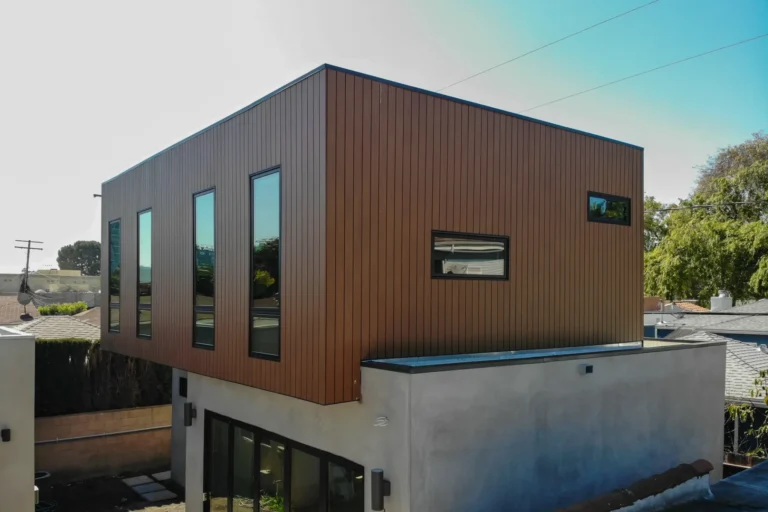


Aluminum cladding installed on a Pasadena home in 1978 is, in many cases, still on that home in 2026. The color has shifted a half-shade. A few panels carry a dent from a long-forgotten baseball. But the wall is intact, watertight, and structurally sound almost five decades after the contractor walked off the site. That kind of service life is the real reason aluminum cladding lifespan has become a central question for owners running cost-of-ownership math and architects writing 50-year-spec buildings.
The honest answer is more nuanced than a single number. The aluminum substrate can outlive most of the people who specify it. The powder-coat or PVDF finish on top runs on a shorter clock, and the warranty on that finish is shorter still. Climate, coating class, and detailing all push the real-world number up or down by a decade.
The Quick Answer: 40 to 50+ Years for the Panel, 20 to 30 for the Finish Warranty
A properly installed aluminum cladding system lasts 40 to 50 years on average, and often longer. The aluminum substrate can exceed 70 years; the powder-coat or PVDF finish typically carries a manufacturer warranty of 20 to 30 years against fade, chalk, and coating failure, even though real-world finish performance routinely outlasts the warranty. That two-part lifespan, substrate plus finish, is what separates aluminum from vinyl, wood, and stucco on long-horizon cost.
Think of aluminum cladding as a 40-year decision on the wall and a 25-year decision on the color. The first number is what your building inspector cares about. The second is what your eyes care about.
What “Lifespan” Actually Means: Substrate vs Finish
The most common mistake in comparing siding lifespans is treating the material as one thing. Aluminum cladding is two things stacked together, each on its own clock.
The substrate is the aluminum panel itself, typically 6063-T5 or 6063-T6 alloy on architectural systems like Clicklad’s, rolled to 1.4mm thickness with a 2.5mm structural click rail behind it. Aluminum doesn’t rust because it’s non-ferrous; a microscopic oxide layer forms almost immediately and then stops. Salt air pits the surface very slowly. UV doesn’t degrade the metal at all. Documented architectural installs from the 1950s and 60s remain sound today, which puts the realistic substrate ceiling north of 70 years.
The finish is the coating on top: powder-coat for most residential and mid-rise commercial work, PVDF (Kynar 500 / Hylar 5000) for the premium architectural tier, or anodizing for specific looks. Finishes are what fade and chalk. A finish specified to AAMA 2604 holds color longer than AAMA 2603, and AAMA 2605 outlasts both.
When a manufacturer says “40-year cladding,” they’re quoting the substrate. When they say “25-year warranty,” they’re warranting the finish. Both numbers are honest; they describe different parts of the same wall.

How Aluminum Cladding Lifespan Compares to Other Materials
The lifespan gap between aluminum and the alternatives is the central financial argument on long-hold properties. Here’s how the major exterior cladding categories perform.
| Material | Substrate life | Finish/recoat cycle | Replacements per 40 yrs | Maintenance burden |
|---|---|---|---|---|
| Aluminum cladding | 50 to 70+ years | 25 to 40 years | 0 to 1 | Annual rinse |
| Vinyl siding | 20 to 30 years | Color is integral, fades unevenly | 1 to 2 | Annual rinse |
| Wood siding (cedar) | 20 to 40 years (strict upkeep) | Repaint every 5 to 7 years | Often 1 | Heavy: paint, caulk, rot |
| Fiber cement | 30 to 50 years | Repaint every 10 to 15 years | 0 to 1 | Moderate: repaint cycle |
| Stucco (traditional) | 50 to 80 years (with crack repair) | Recoat every 5 to 10 years | Rare full replacement | Moderate to heavy |
Aluminum is the only mainstream cladding where the substrate and finish both reach the 25-year-plus mark without scheduled rework. Wood and fiber cement need repainting. Stucco needs recoating. Vinyl fades but can’t be repainted, so the only fix is replacement. The upfront premium for aluminum pays back between year 18 and 25 of ownership, as detailed in aluminum siding vs vinyl.
The Five Factors That Decide Whether You Hit 50 Years or 30
Two identical aluminum installs can have lifespans that differ by 15 years. The factors are largely controllable at spec and install time.
Coastal salt exposure. Within a mile of the Pacific, salt fog accelerates the very slow oxidation aluminum sees anywhere. Powder-coated panels are sealed and shrug it off; mill-finish panels need more frequent rinsing.
UV intensity. Southern California, Arizona, and New Mexico sun is harder on coatings than the same coating sees in Seattle. South-facing walls in Los Angeles get roughly 30 to 40 percent more cumulative UV than north-facing walls on the same building. AAMA 2605 finishes are the answer.
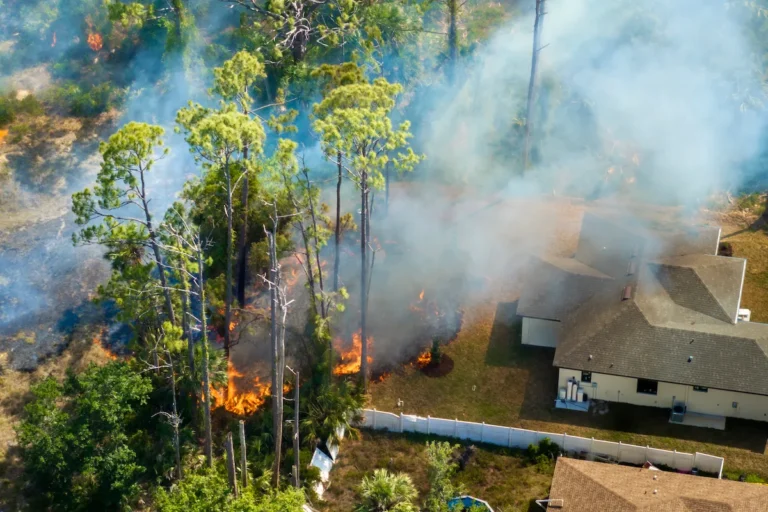
Wildfire and radiant heat. A direct hit from a structure fire next door deforms any cladding. Aluminum doesn’t combust, but the coating can scorch and the panel can warp under prolonged radiant heat. Post-fire inspections in the January 2025 Palisades and Eaton rebuild zones found aluminum walls intact where vinyl and wood had liquefied.
Installation quality. Galvanic corrosion at fasteners is the most common premature-failure mode. Use stainless or coated fasteners; never mix aluminum with bare steel without an isolation membrane. Click-install systems like Clicklad’s address this through clip geometry that isolates the panel from the fastener.
Maintenance. A garden-hose rinse twice a year and a careful eye on flashings and sealants is essentially the entire regimen. The full checklist is in aluminum cladding maintenance; aluminum is low-touch, but “low-touch” isn’t “no-touch.”
AAMA Finish Classes and What They Mean for Fade Resistance
The AAMA finish classifications tell you how long the color will hold. Three classes matter, and the difference is significant.
AAMA 2603 is the baseline. Standard powder-coat finishes for interior and lower-exposure exterior applications. Expect noticeable fade and chalking in 5 to 10 years of direct exterior UV.
AAMA 2604 is the mid-tier. Higher-performance resins and pigments, holds color and gloss substantially longer. The right call for most residential exterior cladding. On a Los Angeles south-facing wall, a AAMA 2604 finish should hold acceptable appearance for 15 to 20 years.
AAMA 2605 is the architectural-grade ceiling, typically achieved with PVDF (Kynar 500 or Hylar 5000) resin systems. The most stringent fade, chalk, and weathering requirements in the industry, with test data based on 10-year South Florida exposure. AAMA 2605 finishes routinely look new at 20 years on hard-UV walls. FGIA (formerly AAMA) publishes the underlying methods at the FGIA standards library.
In a high-UV market, spec AAMA 2604 at minimum and AAMA 2605 for architectural exposure. A small line-item premium at install time can add 10 to 15 years to the visible life of the wall.
Specifying for a long-horizon California project? Clicklad’s powder-coated and wood-grain finish program is documented in the ICC-ES ESR-5054 evaluation and the QAI CERUS-1051 report, both in /resources/. For a finish-class recommendation tied to your exposure and warranty target, get in touch with our team.
Warranty Terms to Read Carefully (and What They Don’t Cover)
Aluminum cladding warranties fall into three layers, and the marketing summary rarely makes the distinctions clear.
Substrate warranty. Typically 30 to 50 years against perforation, structural failure, or alloy defects. This is the easy promise because substrate failure in that window is rare. Most warranties exclude installation defects, impact, or modification.
Finish warranty. Typically 20 to 30 years on powder-coat, sometimes 30 to 35 years on PVDF AAMA 2605 systems. Covered modes are fade beyond a Delta-E threshold, chalking beyond a specified rating, and adhesion failure. Excluded: scratches, chemical exposure (pool chemicals, harsh cleaners), and damage from coastal salt above a stated distance from open ocean.
Labor warranty. Often missing from material warranties entirely. Some installers offer a separate workmanship warranty of 1 to 10 years; the long-tail labor cost on a 25-year finish issue typically falls on the owner.
Two rules. First, the year number is a ceiling, not a guarantee; most warranties are prorated. Second, transferability matters for resale. Warranties that transfer to the next homeowner carry measurable value at listing.
End of Life: Why Aluminum’s 50th Birthday Isn’t the Landfill
The lifespan conversation usually stops at “when do you replace it.” For aluminum, there’s a second answer: what happens to the material then.
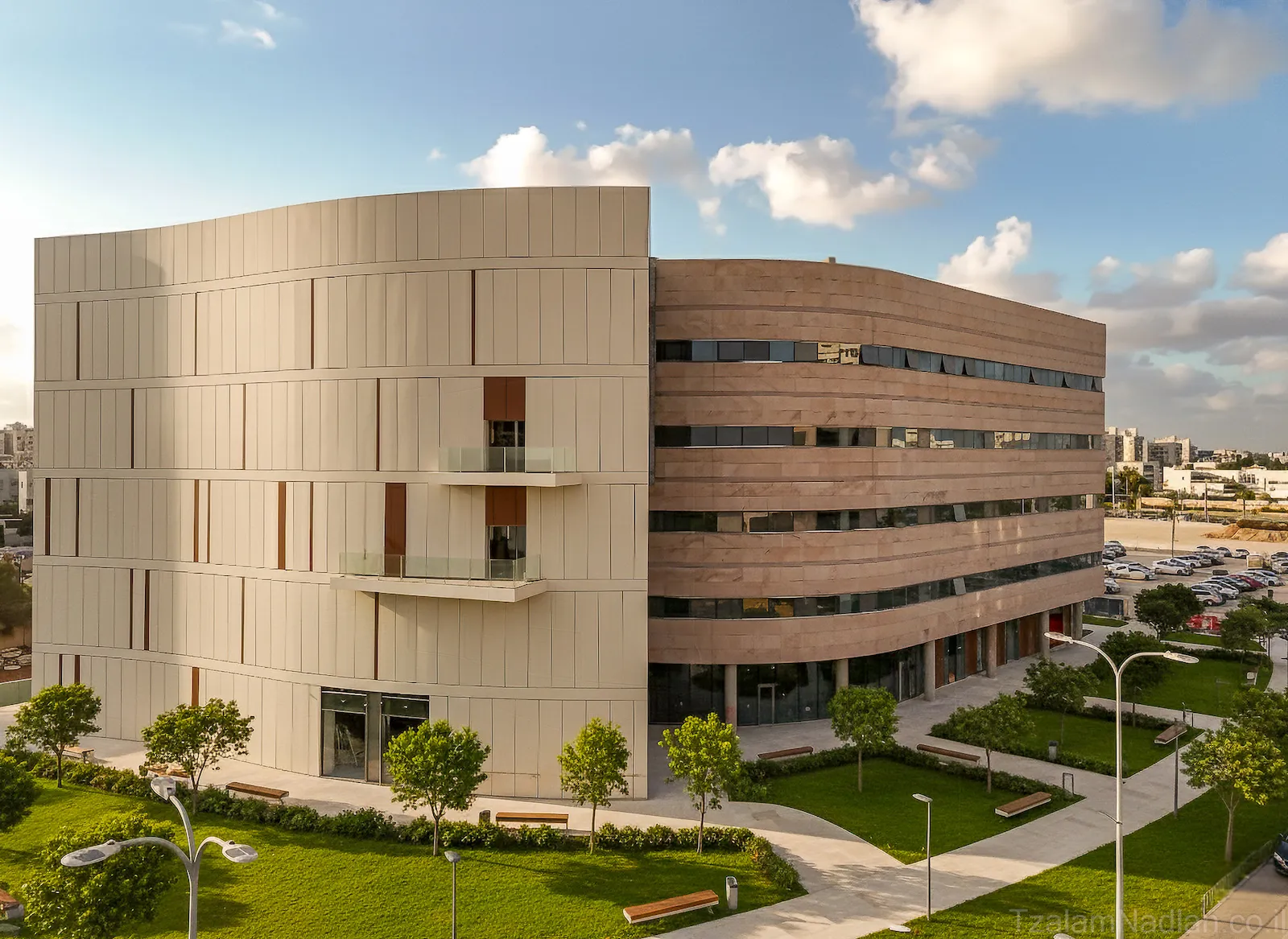
According to the Aluminum Association, more than 75 percent of all aluminum ever produced is still in use today, because recycling recovers nearly all the metal using about 5 percent of the energy needed to produce it from raw bauxite. Cladding panels at end of life are baled and sent to a scrap recycler, often returning as new cladding within 60 to 90 days.
Clicklad’s panels are manufactured with a minimum of 80 percent recycled aluminum content, contributing meaningfully to LEED and CALGreen credits. Vinyl recycling rates for post-consumer siding sit in the low single digits, per EPA reporting on durable goods. At year 50, the aluminum coming off your wall has scrap value, not disposal cost.
The Bottom Line
Aluminum cladding lasts 40 to 50 years in the field, with the substrate often pushing past 70 and the finish running on a 25-year warranty that usually undersells real-world performance. That two-part lifespan separates aluminum from every other mainstream exterior material. Vinyl needs replacement at year 25. Wood needs paint every six. Fiber cement needs repainting at year 12. Stucco needs recoating on a cycle. Aluminum, properly specified and maintained, sits on the wall.
For anyone running cost-of-ownership math in a fire-prone or coastal market, the aluminum cladding lifespan advantage is the biggest reason the higher upfront cost makes financial sense. Specify the right AAMA finish class, install with the right fasteners and isolation details, and the wall outlasts most of the components behind it.
Have a project where lifespan and warranty terms are central to the spec decision? The Clicklad team works directly with architects, builders, and owners on aluminum cladding systems engineered for 40-plus-year service life on California and coastal exposures. Talk to our team and we’ll walk through the right substrate spec, finish class, and warranty package for your project.
Frequently Asked Questions
How long does aluminum siding last on a typical home?
A properly installed aluminum siding or cladding system lasts 40 to 50 years on average, and the aluminum substrate itself can last 70 years or more. The finish (powder-coat or PVDF) is usually warranted for 20 to 30 years against fade and chalk. Most homeowners replace aluminum siding once during their ownership horizon, if at all.
Does aluminum cladding fade in the sun?
The aluminum substrate doesn't fade; it's a non-ferrous metal that develops a stable protective oxide layer. The finish on top can fade slowly over decades, especially on south-facing walls in high-UV markets. AAMA 2604 finishes hold color for 15 to 20 years; AAMA 2605 PVDF finishes can hold acceptable appearance for 20 years or longer.
Is aluminum cladding more durable than fiber cement?
Both are durable, but they fail differently. Aluminum substrate outlasts fiber cement substrate (50 to 70 years vs 30 to 50), and aluminum doesn't need scheduled repainting the way fiber cement does every 10 to 15 years. Fiber cement is harder to dent on impact, which is the main case where it wins on durability. For most long-hold California applications, aluminum's lower maintenance burden and longer finish life make it more economical over 40 years.
What's the warranty on aluminum cladding?
Industry-standard warranties run 30 to 50 years on the substrate and 20 to 30 years on the finish, with premium PVDF AAMA 2605 systems sometimes warranted up to 35 years. Most warranties are prorated, exclude installation-related failures, and don't cover replacement labor. Transferability to subsequent owners is worth checking if resale is on the horizon.
Can old aluminum cladding be recycled?
Yes. Aluminum is one of the most-recycled construction materials in production, and panels removed at end of life are baled and sent to scrap recyclers rather than landfill. Recycling recovers nearly all of the metal using about 5 percent of the energy needed to produce new aluminum. Clicklad's panels are manufactured with a minimum of 80 percent recycled content.